
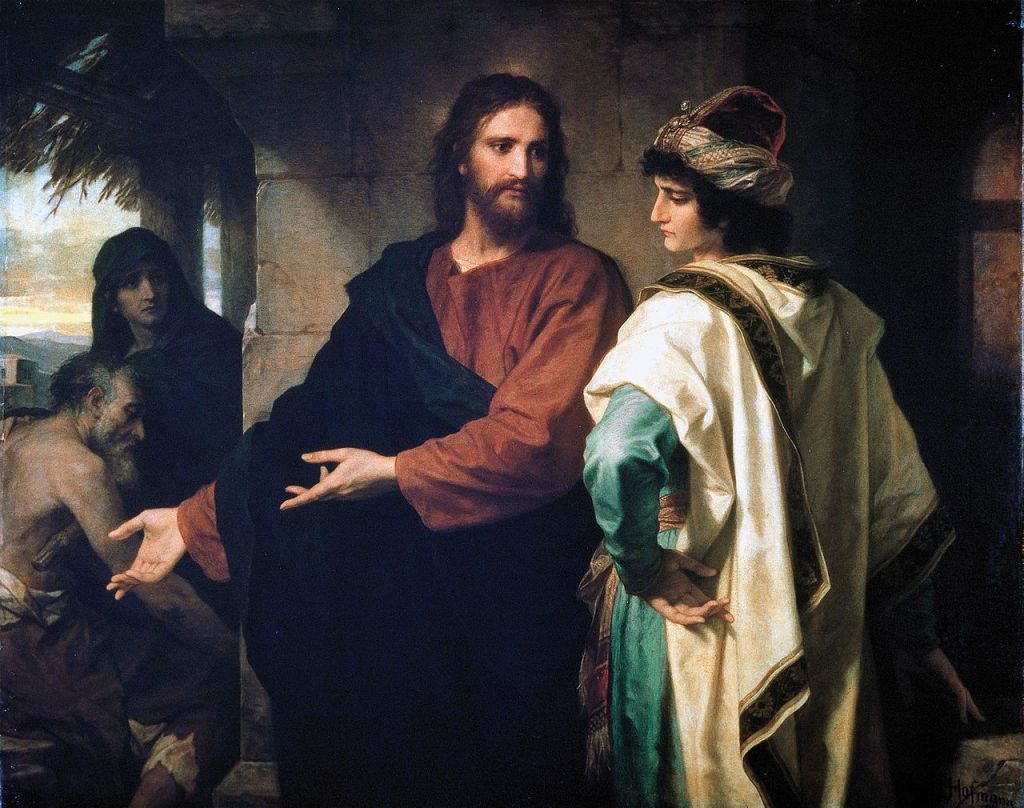
The Gospel reading last Sunday (Oct. 10) was the familiar story of the rich young man from Mark 10:17-27. After he left in sadness when Jesus asked him to sell his possessions and give the proceed to the poor, Jesus uttered the famous words, “How hard it will be for those who have wealth to enter the kingdom of God. … It is easier for a camel to pass through the eye of a needle than for one who is rich to enter the kingdom of God.”
That profound statement from Jesus should give most of us a shock – or at least a concern. For more than we would like to admit, many of us are among the wealthiest people in the world. (Check this, for example: Where do you fit on the global income spectrum?)
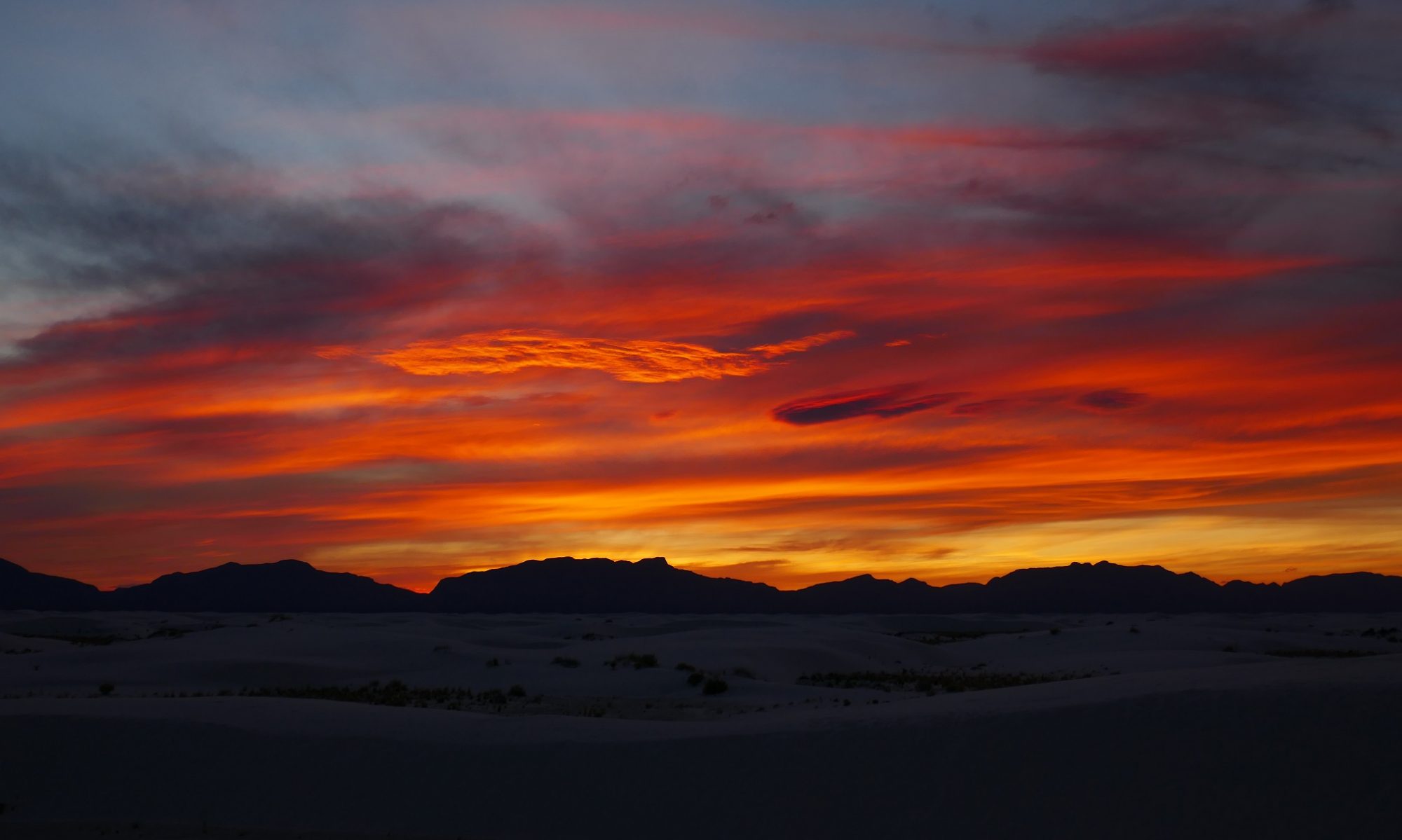
Coincidentally (or maybe not), I had read about Katharine Drexel’s life (1858-1955) on the Friday night before. Then during the RCIA Retreat on Saturday, I took a picture of her image in one of the stained-glass windows at St. Francis of Assisi Church in Frisco, TX (see the top picture of this article). Katharine was a multi-millionaire. And yet, she was also the second American-born person to be canonized as a saint.
Along with her two sisters Elizabeth and Louise, Katharine, at only 26 years old, inherited $14M in 1885 (equivalent to about $395M in today’s dollars) when her father, Francis Drexel, died. With Francis’ wisdom, the inheritance only provided an annual income to his daughters, not a lump sum. The three sisters used it to fund various charity projects.
Katharine’s interest was in helping the Indians (Native Americans) in the West and the black community, two groups of people that the American society would rather ignore or forget at the time. The American Catholic Church itself was too overwhelmed with the influx of the European immigrants in the Northeast to devote resources to the western frontier. When she couldn’t find people to staff the schools that she had built, she founded a new order, the Sisters of the Blessed Sacrament for Indians and Colored People. It was the first religious order created to work with the Native Americans. She also founded Xavier University in New Orleans, which was the first black Catholic university in the US.

In her lifetime, Katharine Drexel spent about $20M to help the forgotten people of America. At her death, she left behind a legacy of 500 Sisters of the Blessed Sacrament, 60 schools, and one university. She is a witness that with God’s grace, “all things are possible” (Mark 10:27). She gave us hope that maybe we, too, could pass through the eye of the divine needle.
In the end, I can’t help but thinking: What will be written of my wealth when I leave this earth? Would anything worthy and uplifting have been built by it?
Further Reading
For a short, easy-to-read story of Katharine Drexel, check out “Fearless: Stories of the American Saints” by Alice Camille and Paul Boudreau (Franciscan Media, 2014). The book also tells the story of eleven other inspiring persons.
 REFLECTIONS ON LIFE, WORK, AND FAITH IN THE 21ST-CENTURY AMERICA